

Mission
Build real-worldLife Science Projects
uMaster provides structured science coaching for students ready to build practical capability in biology, medicine, biotechnology, and related fields.
uMaster began as an idea during a conversation about how to make the best use of one's education.
We bring together scientific research, technological prowess, and entrepreneurial acumen to train the next generation of STEM thinkers.
Architects of the uMaster Framework
uMaster was founded on the belief that scientific excellence is built through structure, discipline, and integrity.
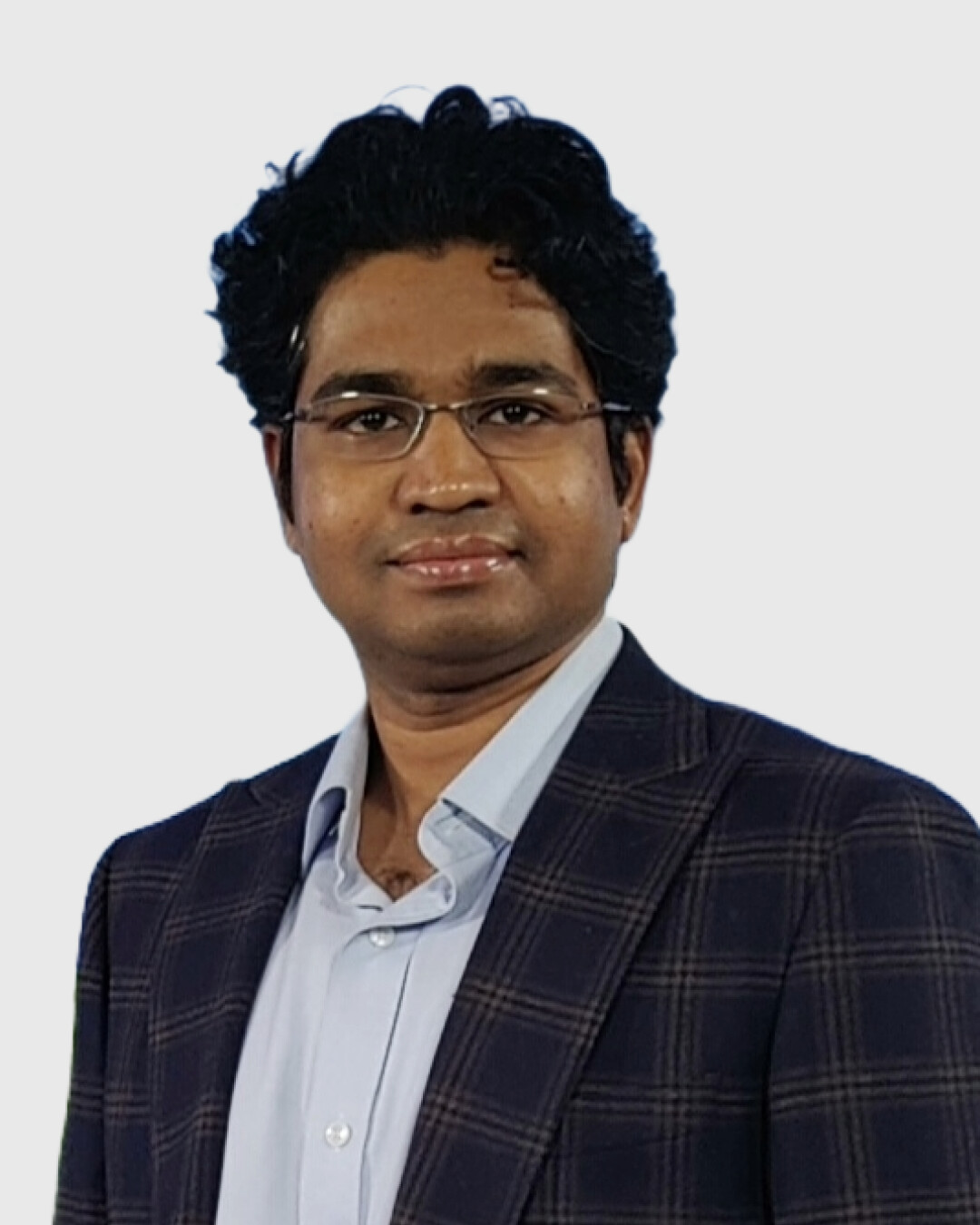
Jeru Manoj Manuel, Ph.D
Biomedical Scientist, Educator and Entrepreneur
Leads the uMaster architecture and long-term vision.
His focus centers on translating research principles into structured developmental frameworks for the future of pragmatic education.
He believes that scientific-methodology-based education must be the foundational architecture to train the future of STEM students and workforce.
He designed the uMaster framework integrating the Oxbridge R&D model, design thinking, and Ikigai principles.
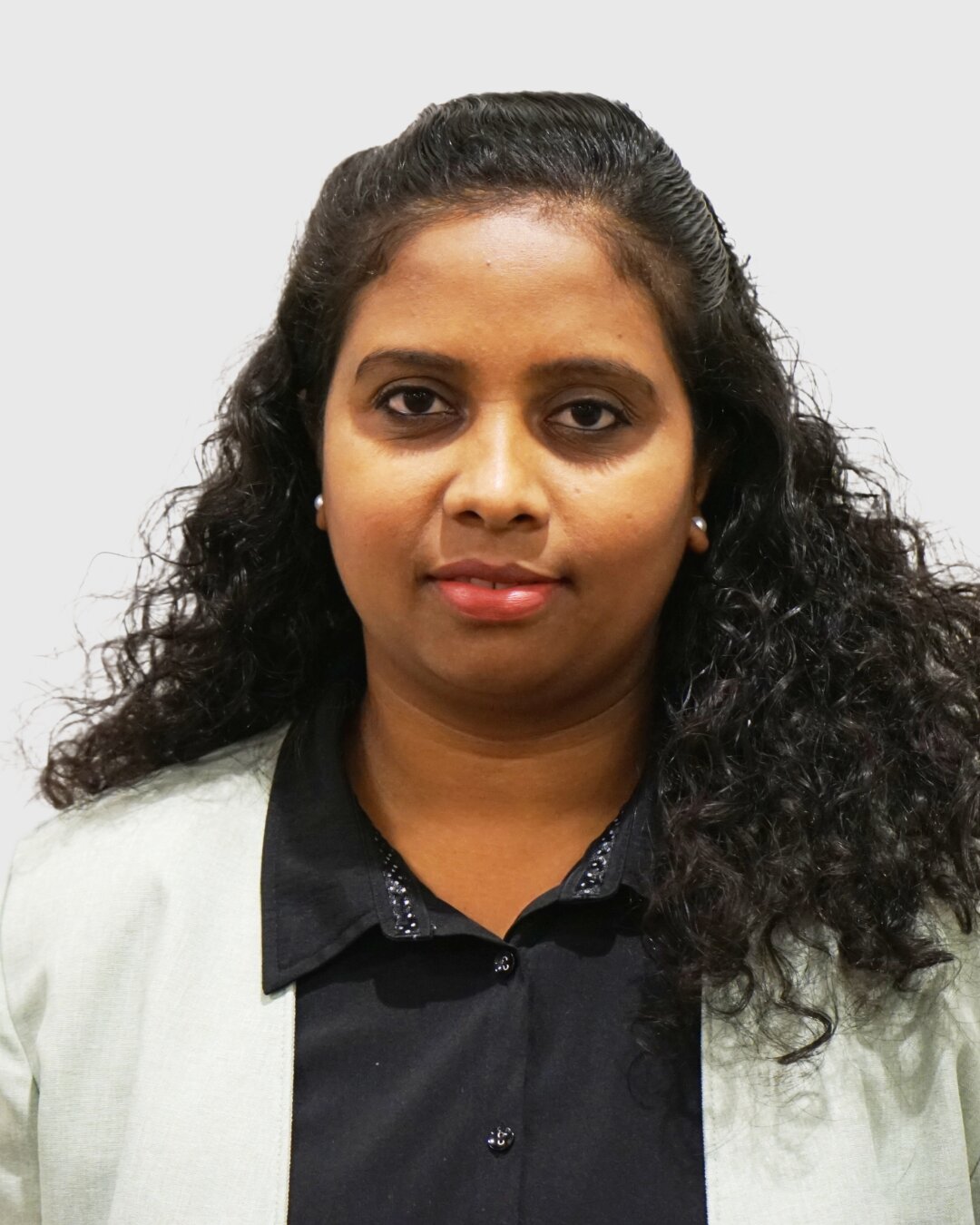
Ashwini Rajasekaran, Ph.D
Technology Scientist
Ensures scientific methodology and technological systems remain aligned with academic integrity.
Her work integrates technology infrastructure with the demands of structured science coaching, ensuring that systems serve pedagogy rather than replace it.
She approaches education as a systems problem, designing processes that maintain quality across cohorts while preserving the individuality of each student's inquiry.
She oversees the implementation of the uMaster Standard across all operational and technological systems.
The Five Pillars of uMaster
The uMaster framework integrates the Oxbridge R&D model, Ikigai principles, and design thinking into a single developmental architecture for life sciences research.
Domain Boundaries
uMaster operates exclusively within life sciences.
Depth requires constraint. We do not expand into unrelated STEM domains. Boundaries protect rigor.
Feasibility Discipline
Every project undergoes structured feasibility validation.
Ambition is shaped into clarity.
Literature Grounding
No methodology proceeds without literature immersion.
Research begins with understanding.
Revision Architecture
Revision is required, not optional.
Revision builds maturity.
Formal Defense
Completion requires structured defense.
Defense confirms ownership.